
As autumn days grow shorter, the cues that guide our internal clock shift, potentially leading to earlier melatonin release and disrupted sleep. Realigning your sleep routine is key to restoring your energy, mood, and overall sleep quality. This guide will walk you through why seasonal shifts impact your sleep, provide actionable steps for adjusting your bedtime and wake times, and offer practical tips for optimizing your bedroom temperature and bedding. We’ll delve into the science of circadian rhythms and melatonin, explore strategies for managing blue light, and highlight bedding solutions that help regulate temperature. You’ll find natural integration of keywords like “fall sleep routine tips,” “autumn sleep cycle disruption,” and “bedding for temperature control fall.” Many of us feel the effects of shorter daylight with increased daytime fatigue or less restorative REM and deep sleep. This article offers evidence-based solutions, including light strategies, thermal adjustments, and product recommendations, presented without a hard sell. We’ve organized the content to cover seasonal physiology, behavioral schedule adjustments, bedroom temperature and cooling bedding, selecting temperature-regulating mattress protectors and cooling pillow covers, mental well-being strategies for SAD and fall fatigue, and convenient local and online shopping options. Get ready for clear steps, comparison charts for cooling options, and helpful checklists to reset your sleep this fall.
Understanding Seasonal Sleep Shifts in Autumn and Their Impact
Autumn brings predictable changes in sleep timing, hormone production, and how well we sleep, all driven by less daylight. This happens because our body’s internal clock, or circadian rhythm, relies heavily on light exposure to stay synchronized. When morning light diminishes and nights lengthen, melatonin production can start earlier, shifting our sleep phase and potentially leading to fragmented sleep or feeling sleepy earlier than usual. The good news is that by understanding these shifts, you gain control over your light exposure, daily habits, and sleep environment to ensure restful sleep. Recent research confirms seasonal variations in sleep patterns, and simple interventions can effectively mitigate negative effects. Let’s explore the science behind circadian shifts, melatonin, and how reduced daylight influences your sleep stages and daytime energy.
How Does Daylight Reduction Affect Your Circadian Rhythm in Fall?

Your circadian rhythm adjusts as days shorten because the brain’s master clock, the suprachiasmatic nucleus, uses light signals to maintain a roughly 24-hour cycle. Less morning light or longer evenings can alter the timing of this internal clock. When morning light is weaker, your clock might shift its timing, affecting when you feel sleepy and when you wake up. Reintroducing bright light exposure in the morning helps to re-synchronize your clock and boost daytime alertness. Experts recommend maximizing outdoor light exposure within the first hour of waking, or using a strong indoor light source if natural light is scarce. Understanding how your body syncs with light cues provides the foundation for the gradual schedule adjustments and light therapy strategies we’ll discuss next.
Why Does Melatonin Production Increase in the Fall?
Melatonin production ramps up in the fall because your pineal gland responds to less light hitting your retinas and longer periods of darkness by starting to release melatonin earlier in the evening. This hormone signals your body to prepare for sleep, and an earlier start can lead to feeling sleepy sooner or a mismatch with your usual social schedule. Increasing your daytime light exposure and maintaining consistent wake times can help counteract this earlier melatonin release. Recent studies show that consistent bright light exposure during the day can help regulate melatonin levels and align your sleep schedule with your desired times. Addressing melatonin timing is directly linked to behavioral strategies like maximizing morning light and minimizing evening light, which we’ll cover shortly.
How Does Less Daylight Impact Your Sleep Quality?
Reduced daylight can affect your sleep quality by altering your sleep architecture. Some individuals experience changes in their REM and deep sleep cycles, more fragmented sleep, and increased daytime sleepiness, which can impair concentration and mood. Physiologically, this is due to a combination of circadian misalignment, earlier melatonin secretion, and fewer daytime alerting signals, increasing the risk of fall fatigue and making you more susceptible to seasonal mood changes. Practically, this can mean more napping and less continuous sleep. Interventions that help maintain circadian stability and optimize your sleep environment can significantly improve sleep efficiency and daytime functioning. With this understanding, let’s move on to concrete adjustments for your routine to align with the changing seasons.
Top Tips for Adjusting Your Sleep Schedule This Fall
Resetting your sleep schedule for autumn involves gradually shifting your bedtime and wake time while reinforcing your body’s natural sleep cues, such as bright morning light, consistent routines, and dim evening light. The principle here is gradual phase-shifting: making small, incremental changes allows your circadian system to adapt without causing significant sleep debt, leading to less grogginess, better sleep continuity, and more stable daytime energy. Here are step-by-step actions and sleep hygiene practices to implement over one to two weeks for a smooth and sustainable transition. Once your sleep timing is more stable, reducing evening blue light and optimizing your bedroom temperature will further enhance your progress.
Your practical 1–2 week schedule-shift plan:
- Adjust your bedtime and wake time by 15 minutes each day, moving closer to your desired schedule until you reach it.
- Aim for at least 20–30 minutes of bright light exposure outdoors or from a strong indoor source within 60 minutes of waking.
- Start a relaxing wind-down routine 60–90 minutes before bed, incorporating dim lighting, calming activities, and avoiding stimulating screens.
These steps lay the groundwork for stable sleep timing. The following section explains why consistent sleep hygiene is particularly crucial during seasonal transitions.
How to Gradually Shift Your Sleep and Wake Times for Fall
Gradual shifting works effectively because small adjustments of 15–30 minutes per day allow your circadian and homeostatic sleep drives to adapt without building up sleep debt, resulting in better sleep quality compared to abrupt changes. Follow a clear plan: determine your target sleep and wake times, shift by 15 minutes each night, and pair each adjustment with morning bright light and an evening wind-down routine to reinforce the new schedule. Maintaining consistent wake times, even on weekends, is vital for strengthening your circadian rhythm and minimizing the variability that can disrupt sleep. This approach will also prepare you to better manage transitions like Daylight Saving Time or the progressively earlier sunsets.
Why Consistent Sleep Hygiene is Crucial During Seasonal Changes
Consistent sleep hygiene acts as a stabilizing anchor for your circadian system by providing reliable cues—a fixed wake time, regular wind-down rituals, limited stimulants—that make you less susceptible to shifts caused by changing daylight. Each element supports a predictable sleep-wake cycle: avoiding caffeine later in the day prevents delayed sleep onset, a consistent pre-sleep routine signals your body to wind down, and fixed wake times anchor your morning light exposure. Together, these practices enhance sleep efficiency and daytime alertness, even as the seasons change. The next subsection will detail how reducing evening blue light significantly complements these hygiene measures.
How Does Limiting Blue Light Exposure Improve Autumn Sleep?
Minimizing blue light exposure in the evening helps preserve your natural melatonin production because short-wavelength light can suppress melatonin and delay your ability to fall asleep. Reducing exposure for 60–120 minutes before bed supports timely sleep onset and improves sleep continuity. Practical steps include enabling “night mode” on devices, wearing blue-light-blocking glasses, dimming overhead lights, and avoiding bright screens before bed—all of which reduce light signals to your circadian system. Research consistently shows that minimizing evening blue light leads to stronger melatonin signals and faster sleep onset. These behavioral adjustments set the stage for optimizing your bedroom environment with thermal and bedding solutions, which we’ll explore next.
Temperature’s Role in Fall Sleep and the Importance of Cooling Bedding
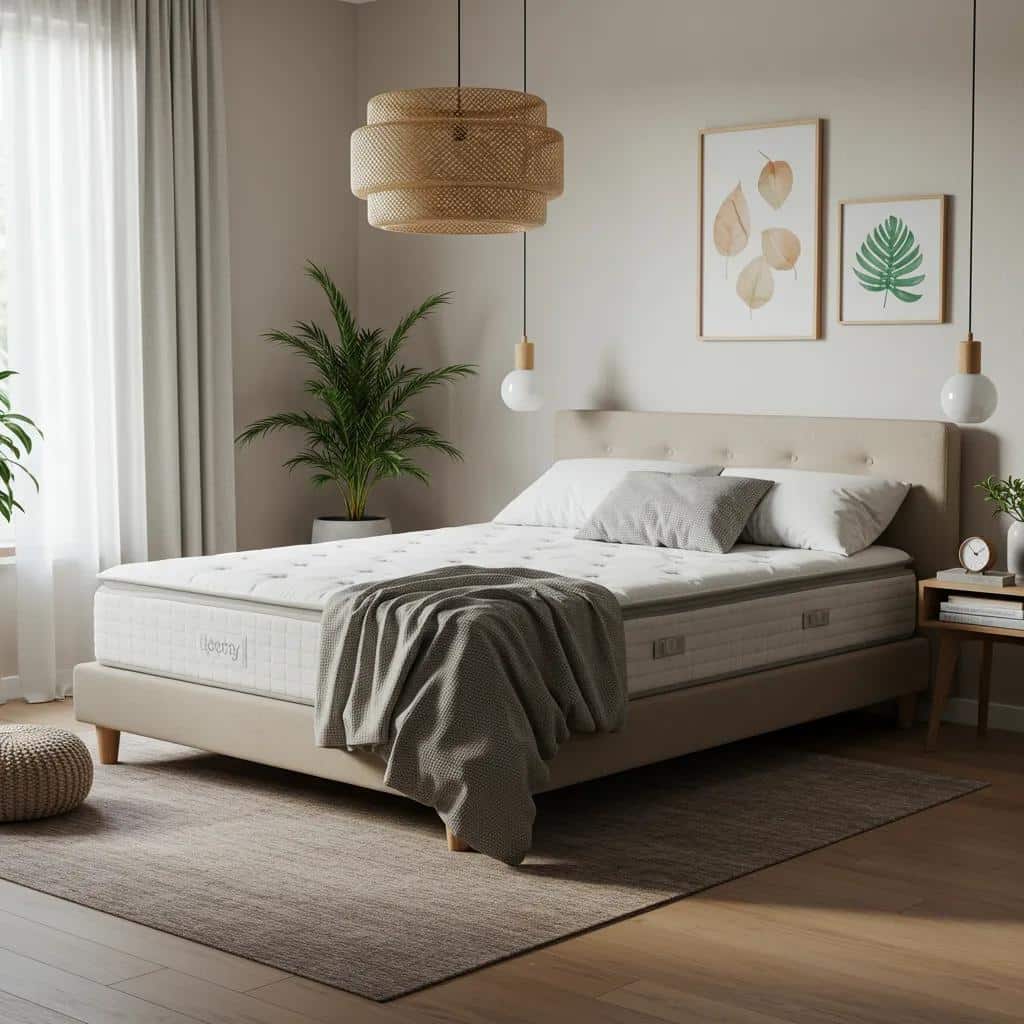
Temperature plays a critical role in sleep through thermoregulation. A slight drop in core body temperature helps initiate sleep and supports deep sleep stages, while elevated skin or microclimate temperatures can lead to fragmented sleep. Cooling bedding helps maintain an optimal microclimate, improving sleep continuity. The science behind this is that bedding designed to dissipate heat and wick away moisture reduces thermal stress, leading to faster sleep onset, deeper slow-wave sleep, and fewer nighttime awakenings. Achieving an ideal bedroom temperature and choosing the right mattress and pillow are key to supporting these physiological processes. Following this overview, we’ll compare different product categories—cooling mattresses, mattress protectors, and pillow covers—to help you prioritize the best solutions for your autumn nights.
| Product Type | Primary Cooling Mechanism | Typical Integration Effort |
|---|---|---|
| Cooling Mattress | Gel/PCM layers or breathable foam for heat transfer | High (replacement, long-term) |
| Temperature-Regulating Mattress Protector | PCM, mesh, or moisture-wicking fabric to moderate surface temperature | Low (easy add-on) |
| Cooling Pillow Cover | Conductive fabrics or engineered fibers for head/neck heat dissipation | Low (simple swap) |
This comparison highlights how various products influence your sleep microclimate and can be combined for enhanced cooling. The following sections will provide specific temperature targets, explain how mattress and base choices contribute to thermoregulation, and detail why protectors are a cost-effective starting point.
What’s the Ideal Bedroom Temperature for Sleep in Fall?
An optimal bedroom temperature for sleep typically ranges between 60–67°F (15–19°C). Cooler ambient temperatures assist your body in lowering its core temperature, which is crucial for sleep onset and promoting deeper slow-wave sleep. Reaching this target can improve the balance of REM and deep sleep and reduce nighttime awakenings. Practical tips include gradually lowering your thermostat, opening a window for fresh air when it’s safe, or adjusting your bedding layers to fine-tune your personal microclimate. For many, simple bedding changes like breathable sheets and a lighter duvet are more accessible than major HVAC adjustments. Next, we’ll explore how cooling mattresses and adjustable bases work together to support thermoregulation.
How Do Cooling Mattresses and Adjustable Bases Aid Body Temperature Regulation?
Cooling mattresses utilize layers like gel-infused foams, phase change materials (PCM), or enhanced airflow designs to absorb and release heat from the body’s surface. Breathable cover fabrics further improve moisture wicking. Adjustable bases enhance airflow beneath the mattress and allow for positional adjustments that aid heat distribution. This layered approach to cooling reduces localized heat buildup and promotes a more stable skin temperature throughout the night, benefiting deep sleep and sleep continuity. For those considering a larger investment, pairing a cooling mattress with an adjustable base offers customized comfort and improved airflow, while simpler add-ons can provide immediate relief.
Why Are Temperature-Regulating Mattress Protectors Essential for Cooler Nights?
Temperature-regulating mattress protectors create a breathable barrier between you and your mattress, effectively wicking away moisture and evening out surface temperature. This is especially helpful for older or warmer mattresses, allowing them to perform better without needing immediate replacement. Protectors using PCM or engineered mesh actively moderate surface heat by absorbing and releasing it in cycles, which can improve sleep onset and reduce night sweats. They are also an affordable and straightforward addition to your bedding. Because protectors sit directly on top of your existing mattress, they offer a quick, cost-effective way to enhance thermal comfort and hygiene. They pair seamlessly with pillow covers and breathable sheets to create a cohesive sleep system.
Choosing the Best Temperature-Regulating Mattress Protector for Fall
Selecting the right temperature-regulating mattress protector involves considering materials, cooling technologies, breathability, fit, and care instructions—each factor influences its performance and longevity. The cooling mechanism varies by material: PCM moderates temperature over time, cooling gels offer immediate surface relief, and breathable natural fabrics like bamboo or Tencel enhance moisture wicking. The benefit is choosing a protector that perfectly matches your bedroom climate and sleep preferences. Below, you’ll find a focused comparison to clarify the trade-offs, followed by a checklist of key features to look for when shopping this fall.
An introductory comparison of protector materials:
| Material / Type | Breathability | Cooling Mechanism | Care / Durability |
|---|---|---|---|
| Phase Change Material (PCM) | Medium | Stores/releases heat over hours | Machine-washable per label; moderate durability |
| Cooling Gel Layer | Low–Medium | Immediate surface cooling via conductive gel | Spot-cleaning or specialized care; variable durability |
| Bamboo/Tencel Fabric | High | Moisture-wicking, breathable fiber cooling | Machine-washable; high durability |
| Mesh / Perforated Polyester | High | Enhanced airflow and evaporative cooling | Machine-washable; durable |
This comparison table clearly illustrates how materials align with features and practical care. Use the checklist below to select a protector that suits your mattress and autumn sleep needs.
Key features checklist to prioritize:
- Breathable fabric and a moisture-wicking surface to minimize microclimate heat buildup.
- Inclusion of a PCM or cooling gel layer if sustained or immediate cooling is a priority.
- A secure fit (deep pockets, elastic skirt) to ensure consistent contact and comfort.
- Machine-washable care instructions for easy hygiene and long-term performance.
These priorities balance effectiveness with convenience. Next, we’ll explain how PCM and gel technologies work in practice, empowering you to make an informed choice.
What Materials and Features Make a Mattress Protector Effective for Fall?
Effective fall mattress protectors combine breathable cover fabrics with an active cooling mechanism. This can include natural fibers like bamboo or Tencel for passive moisture-wicking, or PCM and gel layers for active thermal regulation. Breathability helps prevent trapped heat, while PCM smooths out temperature fluctuations by absorbing and releasing heat. Durable elastic skirts and full encasement designs ensure a snug fit and consistent protection. Consider care instructions and hypoallergenic properties if you have sensitivities, and choose a protector sized correctly for your mattress depth to avoid bunching that can impede airflow. With these material and design considerations clarified, the next subsection will detail the differences between PCM and gel technologies in real-world use.
How Does a Cooling Gel or Phase Change Material Enhance Sleep Comfort?
Cooling gels offer immediate surface cooling through conductive heat transfer, making them ideal for sleepers who need quick relief from warmth. Phase change materials (PCM), on the other hand, absorb body heat and release it later, providing longer-lasting thermal regulation. PCM works by changing its physical state at a specific temperature, buffering surface temperatures and smoothing out heat peaks throughout the night. Gel layers, by contrast, reduce initial skin temperature upon contact. The practical trade-off is between immediate cooling and sustained moderation. Choosing the right protector involves matching these functionalities to your typical night temperatures and personal thermoregulation needs. Understanding these mechanisms will help you decide whether you need instant surface cooling or steady-state regulation throughout the night.
Which Healthy Zzz’s Mattress Protectors Are Recommended for Autumn?
Healthy Zzz’s Sit N’ Sleep offers a curated selection of temperature-regulating mattress protectors designed for autumn needs. This includes PCM-enhanced protectors and breathable bamboo/Tencel covers, perfect for moisture-wicking and surface cooling. The company’s product categories are structured to help shoppers find protectors that complement their existing mattresses, and their staff can provide guidance on fit and compatibility for both local and online customers. For those who prefer personalized assistance, Healthy Zzz’s in Harrison, OH, offers in-person consultations and carries bedding solutions ideal for seasonal temperature control. This local support helps translate technical product features into practical choices tailored to your specific sleep environment.
Cooling Pillow Covers: Your Secret Weapon for Comfortable Fall Nights
Cooling pillow covers help regulate the temperature of your head and neck through conductive fabrics, moisture-wicking fibers, and engineered airflow. This can lead to faster sleep onset and fewer nighttime awakenings caused by heat in the head region. The mechanism at play is localized microclimate control: reducing the pillow’s surface temperature supports the body’s natural drop in core temperature needed for sleep and promotes uninterrupted rest. This is particularly beneficial for individuals who fall asleep easily but wake up feeling too warm. Below, you’ll find a comparison table of materials and advice on how to pair pillow covers with other bedding for an effective, layered approach.
| Pillow Cover Material | Heat Dissipation | Moisture Wicking | Feel / Care |
|---|---|---|---|
| Bamboo | High | High | Soft, machine-washable |
| Tencel | High | High | Smooth, machine-washable |
| Aerocool / Engineered Fibers | High | Medium–High | Slightly technical feel, follow care label |
| Polyester Cooling Blends | Medium | Medium | Durable, easy care |
This table illustrates how different materials perform and their care requirements. After comparing materials, we’ll offer practical pairing strategies to help you create a cohesive sleep system for fall.
How Do Cooling Pillow Covers Dissipate Heat and Improve Sleep?
Cooling pillow covers enhance sleep by increasing conductive and convective heat transfer away from your head. They also wick away moisture, preventing sweat from trapping heat against your skin. These mechanisms contribute to faster sleep onset and fewer micro-awakenings. Cooling the head region can also improve your overall perception of comfort and reduce tossing and turning, indirectly helping you achieve deeper sleep stages. For those who experience night sweats or are sensitive to warm room temperatures, cooling pillow covers offer targeted relief that complements whole-mattress cooling solutions.
What Are the Best Materials for Cooling Pillow Covers in Autumn?
Bamboo and Tencel are excellent choices for autumn because they offer a great combination of high breathability, effective moisture-wicking, and a soft, natural feel that’s comforting on cooler nights. Engineered fibers like Aerocool provide targeted performance with advanced designs for heat dissipation, while polyester blends offer durability and easy care with moderate cooling capabilities. Your choice will depend on personal preference for texture, environmental considerations, and laundry needs. Select materials that best match your nightly temperature profile and maintenance habits. These material choices will also inform how you pair your pillow covers with other bedding components.
How Can You Pair Cooling Pillow Covers with Other Bedding for Optimal Comfort?
Creating a layered sleep system by pairing cooling pillow covers with breathable sheets, a temperature-regulating mattress protector, and a lightweight duvet helps manage heat from head to toe, preserving the crucial core-body temperature drop that initiates sleep. For cooler bedrooms, a breathable protector combined with a light duvet works well. In warmer environments, consider a cooling mattress surface paired with thin, moisture-wicking sheets and a cooling pillow cover. Adjust these layers incrementally and experiment with different combinations over several nights to discover your ideal setup. Regularly rotating pillow covers ensures hygiene and consistent performance. This layered approach complements behavioral strategies like scheduled light exposure and consistent sleep times discussed earlier.
- Pair a cooling pillow cover with breathable sheets and a light duvet for cooler nights.
- Combine a temperature-regulating mattress protector with moisture-wicking sheets for balanced microclimate control.
- Utilize adjustable base positioning to enhance airflow beneath the mattress if heat buildup is a persistent issue.
These pairing strategies make it easier to fine-tune your sleep system for seasonal changes. The following section connects improvements in sleep quality to mood enhancement and SAD mitigation.
How Better Sleep Can Combat Fall Fatigue and Seasonal Affective Disorder
Improving your sleep can significantly combat fall fatigue and reduce symptoms of Seasonal Affective Disorder (SAD) by stabilizing your circadian rhythm and enhancing daytime alertness. Consistent sleep timing, combined with environmental controls, strengthens mood-regulating pathways in the brain. In essence, regular sleep supports neurotransmitter balance and reduces physiological stress responses, which positively impacts mood and energy levels. The benefit is fewer energy dips during the day and increased resilience against seasonal mood declines. The upcoming subsections will define SAD, summarize the evidence linking improved sleep to symptom reduction, and list sleep products and habits that collectively support mental well-being throughout the autumn season.
What Is Seasonal Affective Disorder and How Does It Affect Sleep?
Seasonal Affective Disorder (SAD) is a mood disorder linked to reduced daylight exposure, often manifesting as low mood, decreased energy, and changes in sleep patterns, which can include sleeping too much or experiencing fragmented sleep, depending on the individual. The underlying physiological factors involve circadian disruption, altered melatonin timing, and changes in neurotransmitter systems influenced by light exposure. Understanding these mechanisms highlights why light and sleep interventions are often primary supportive strategies. If symptoms are severe or persistent, seeking professional assessment is recommended. Combining behavioral sleep treatments with light therapy can be highly effective for many individuals.
How Does Improving Sleep Quality Reduce Fall Fatigue and SAD Symptoms?
Enhancing sleep quality helps reduce fall fatigue and SAD symptoms by consolidating restorative sleep stages and normalizing circadian cues, which in turn supports daytime alertness and mood regulation. Practical interventions include getting bright morning light, maintaining consistent wake times, and using temperature-optimized bedding to prevent nighttime disruptions. Research indicates that improved sleep continuity and regular timing can lower inflammatory markers and subjective feelings of fatigue, leading to better daytime functioning and mood stability. Integrating these sleep-focused strategies with light therapy and active daytime routines creates a comprehensive approach that lessens your vulnerability to seasonal mood shifts.
What Sleep Products and Habits Support Mental Well-being in Autumn?
A combined approach using behavioral habits and targeted sleep products offers the most robust support. Key elements include morning bright-light exposure, consistent sleep schedules, cooling bedding for uninterrupted sleep, and optimizing your bedroom environment. Together, these factors enhance circadian stability and improve mood. Recommended product-agnostic options include cooling mattress surfaces, temperature-regulating protectors, cooling pillow covers, and light therapy devices for morning use. In terms of habits, maintaining regular exercise and limiting evening alcohol or heavy meals that can disrupt sleep are crucial. If symptoms persist, consult a healthcare professional for personalized treatment options beyond environmental and behavioral adjustments.
- Maintain a consistent wake time and seek bright light within the first hour of waking.
- Use temperature-regulating bedding to minimize nighttime awakenings and improve sleep continuity.
- Consider establishing a structured daytime activity schedule to boost alertness and mood.
These combined products and habits provide a practical toolkit for managing fall fatigue and supporting your mental health as daylight hours decrease.
How Quality Sleep Fights Fall Fatigue and SAD
Healthy Zzz’s Sit N’ Sleep offers healthcare-informed guidance and carefully selected product categories for shoppers looking for fall-specific sleep solutions. They excel at translating technical features into practical choices for temperature regulation and overall sleep comfort. The company operates as both an online information hub and a local retailer, focusing on personalized, affordable solutions for common sleep issues like insomnia, back/hip pain, and snoring, while also providing relevant product lines for autumn sleep needs. Below, we’ll briefly outline their expertise, product categories, and how you can shop locally or online for items that will help you achieve a seasonal sleep reset.
What Expertise Does Healthy Zzz’s Bring to Seasonal Sleep Solutions?
Healthy Zzz’s Sit N’ Sleep draws on extensive healthcare experience to provide informed recommendations for sleep products and environmental adjustments tailored to seasonal changes. They emphasize personalized solutions designed to improve both sleep quality and overall health. Their retail and information model aims to help customers match advanced technologies, such as PCM and cooling fabrics, with their individual sleep patterns and bedroom conditions. For shoppers seeking guidance, the company offers assistance that bridges physiological considerations—like circadian timing and thermoregulation—with product selections that can make a tangible difference in autumn sleep quality.
Which Fall Bedding Essentials Does Healthy Zzz’s Offer for Temperature Regulation?
Healthy Zzz’s provides category-level solutions specifically addressing fall temperature control needs. These include Cooling Mattresses, Adjustable Bases, and a comprehensive range of Fall Bedding Essentials such as breathable sheets, temperature-regulating mattress protectors, and cooling pillow covers. These categories allow shoppers to build layered solutions, from targeted pillow covers to complete mattress upgrades, depending on their budget and desired performance level. Staff are available to advise on how these categories work together—for instance, how pairing a protector with a cooling mattress can create an integrated sleep system for optimal seasonal comfort.
How Can You Shop Healthy Zzz’s Products Locally and Online for Fall Comfort?
To shop Healthy Zzz’s Sit N’ Sleep for your fall sleep solutions, you can explore their product categories online, contact the store for personalized consultation, visit their physical location in Harrison, OH for in-person fitting and demonstrations, or call to discuss options and availability. The store’s address and phone number are available for scheduling consultations or confirming inventory for Cooling Mattresses, Adjustable Bases, and Fall Bedding Essentials. Shopping locally allows for hands-on comparison of materials and feel, while online purchasing facilitates remote selection and convenient delivery. Both avenues effectively support the implementation of the integrated sleep system recommended throughout this guide.
- Visit Healthy Zzz’s Sit N’ Sleep in Harrison, OH to compare materials and test bedding for fit and comfort.
- Call the store for expert advice on matching protectors and pillow covers to your mattress depth and sleep preferences.
- Utilize the online product categories to review options and prepare questions for an in-store consultation.
These steps ensure that product integration remains focused and practical, supporting the behavioral and environmental strategies outlined in this guide.
Frequently Asked Questions
What are some signs that my sleep routine needs adjustment for fall?
Signs that your sleep routine may need adjustment for fall include increased daytime fatigue, difficulty falling asleep or staying asleep, and feeling groggy upon waking. You might also notice changes in your mood, such as irritability or sadness, which can be linked to seasonal changes. If you find yourself needing more naps or experiencing disrupted REM sleep, these are indicators that your circadian rhythm may be misaligned with the shorter days of autumn. Recognizing these signs early can help you implement effective strategies to reset your sleep routine.
How can I create a calming bedtime routine for fall?
Creating a calming bedtime routine for fall involves establishing a consistent wind-down period before sleep. Start by dimming the lights in your home to signal to your body that it’s time to relax. Engage in calming activities such as reading, gentle stretching, or meditation. Avoid screens and bright lights at least an hour before bed to minimize blue light exposure. Incorporating soothing scents, like lavender, and maintaining a comfortable room temperature can further enhance relaxation. This routine helps signal your body to prepare for sleep, making it easier to fall asleep and stay asleep.
What role does diet play in my sleep quality during autumn?
Your diet can significantly impact sleep quality, especially during autumn when changes in light and temperature can affect your circadian rhythm. Consuming heavy meals or caffeine close to bedtime can disrupt sleep onset and continuity. Instead, focus on a balanced diet rich in sleep-promoting nutrients, such as magnesium and tryptophan, found in foods like nuts, seeds, and turkey. Additionally, staying hydrated throughout the day can help prevent nighttime awakenings. Consider having a light snack before bed, such as a banana or yogurt, to support better sleep without causing discomfort.
How can I manage Seasonal Affective Disorder (SAD) through sleep adjustments?
Managing Seasonal Affective Disorder (SAD) through sleep adjustments involves maintaining a consistent sleep schedule and optimizing your sleep environment. Prioritize exposure to bright light in the morning to help regulate your circadian rhythm and boost mood. Implementing a calming bedtime routine and ensuring your bedroom is conducive to sleep—cool, dark, and quiet—can also help. Additionally, consider using light therapy lamps during the day to counteract the effects of reduced natural light. Combining these strategies with regular physical activity and a healthy diet can further alleviate SAD symptoms.
What are the benefits of using cooling bedding in the fall?
Using cooling bedding in the fall offers several benefits, particularly as temperatures fluctuate. Cooling bedding materials help regulate body temperature, preventing overheating during sleep, which can lead to disruptions. These materials wick away moisture and promote airflow, creating a comfortable sleep environment. As your body naturally cools down to initiate sleep, maintaining an optimal temperature can enhance sleep quality and reduce nighttime awakenings. Additionally, cooling bedding can be particularly beneficial for those who experience night sweats or live in warmer climates, ensuring a restful night’s sleep throughout the season.
How can I ensure my mattress protector is effective for fall?
To ensure your mattress protector is effective for fall, prioritize features such as breathability, moisture-wicking capabilities, and temperature regulation. Look for protectors made from materials like bamboo or Tencel, which offer high breathability and comfort. Additionally, consider options with phase change materials (PCM) or cooling gel layers that actively manage temperature. Ensure the protector fits securely on your mattress to prevent bunching, which can compromise airflow. Regularly check care instructions to maintain hygiene and performance, as a well-maintained protector will enhance your overall sleep experience during the cooler months.
Conclusion
Resetting your sleep routine for fall can significantly enhance your energy, mood, and overall sleep quality by aligning your habits with seasonal changes. By implementing strategies such as adjusting your sleep schedule, optimizing your bedroom environment, and utilizing temperature-regulating bedding, you can combat the effects of shorter days and improve your well-being. Explore our curated selection of sleep products designed to support your transition and ensure restful nights this autumn. Visit Healthy Zzz’s Sit N’ Sleep today to find the perfect solutions for your fall sleep reset.