

At Healthy Zzzs, we believe that quality sleep is the bedrock of a vibrant life. It’s the secret sauce that boosts your immune system, balances your mood, and repairs your body at the cellular level. Dive into this article to uncover how a restful night’s sleep is your ticket to long-term well-being and how the right mattress can be your partner in health. Discover how sleep impacts your immunity and emotional balance, explore mattress options that ease back pain, and learn about materials that create a healthier sleep environment. Plus, get practical tips to transform your bedroom into a sleep sanctuary. We’ll also spotlight local Harrison, OH resources and show you how Healthy Zzzs’ mattresses can be your gateway to lasting wellness.
What Are the Health Benefits of Quality Sleep?
Quality sleep is when your body hits the reset button, multiplying immune cells, rebalancing hormones, and strengthening memory pathways. This nightly rejuvenation lowers inflammation, stabilizes blood pressure, and keeps your metabolism humming. For instance, regular deep sleep is linked to better heart health and quicker muscle recovery.
Here’s a quick look at the main benefits:
- Stronger immune defense
- Balanced hormone levels
- Sharper cognitive function
- Emotional stability and resilience
These benefits highlight why prioritizing sleep is crucial for holistic health and set the stage for understanding its profound impact on your body and mind.
How Does Quality Sleep Support Physical Health and Immunity?
Quality sleep is your body’s best defense, allowing the immune system to produce infection-fighting cytokines and T-cells. During deep sleep, growth hormone release speeds up tissue repair and muscle recovery, enhancing metabolic efficiency. Regular restorative sleep cycles reduce inflammation, lowering heart disease risk and supporting healthy cholesterol levels. Embracing sufficient sleep strengthens your body’s defenses and fosters long-term vitality.
Sleep and Immune Function
Research underscores the critical role of sleep in immune function, enabling the production of infection-fighting cytokines and T-cells. These immune warriors defend against pathogens, underscoring sleep’s importance for overall health and vitality.
Besedovsky, L., Lange, T., & Born, J., Sleep and immune function. Pflugers Archiv : European journal of physiology, 463(1), 121–137 (2012)
This research backs up our claim that sleep is essential for a robust immune system.
In What Ways Does Sleep Affect Mental Health and Emotional Well-being?
Restorative sleep is your brain’s best friend, reinforcing neural circuits that manage stress and impulse control. REM sleep helps process emotional memories, reducing anxiety and depression. Cognitive functions like concentration, decision-making, and creativity also get a boost from consistent, high-quality rest. Prioritizing sleep lays the groundwork for mental clarity and stable moods.
Sleep and Mental Health
Research highlights the strong link between sleep and mental well-being, showing that restorative sleep reinforces neural circuits in the prefrontal cortex. Adequate sleep is crucial for cognitive functions like concentration and decision-making.
Walker, M. P., The role of sleep in cognition and emotion. Annals of the New York Academy of Sciences, 1156, 168–197 (2009)
This citation supports our discussion on sleep’s impact on mental health and emotional stability.
What Are the Symptoms and Long-Term Effects of Sleep Deprivation?
Chronic sleep deprivation shows up as daytime fatigue, irritability, impaired concentration, and weakened immunity. Over time, lack of rest increases risks of hypertension, obesity, type 2 diabetes, and mood disorders. Cognitive decline can result from disrupted REM sleep, while elevated cortisol levels may worsen anxiety. Recognizing early symptoms—like difficulty waking, midday drowsiness, or brain fog—guides timely interventions to restore healthy sleep patterns and prevent chronic disease.
How Do You Choose the Best Mattress for Back Pain Relief?
Choosing the best mattress for back pain relief means finding the right balance between support and pressure relief, ensuring proper spinal alignment throughout the night. A mattress that matches your body weight, sleeping position, and pain points can reduce muscle tension and alleviate soreness. By understanding mattress types, firmness levels, and specialty options, you can select a sleep surface that promotes lumbar support and eases chronic discomfort.
Which Mattress Types Are Most Effective for Back Pain?
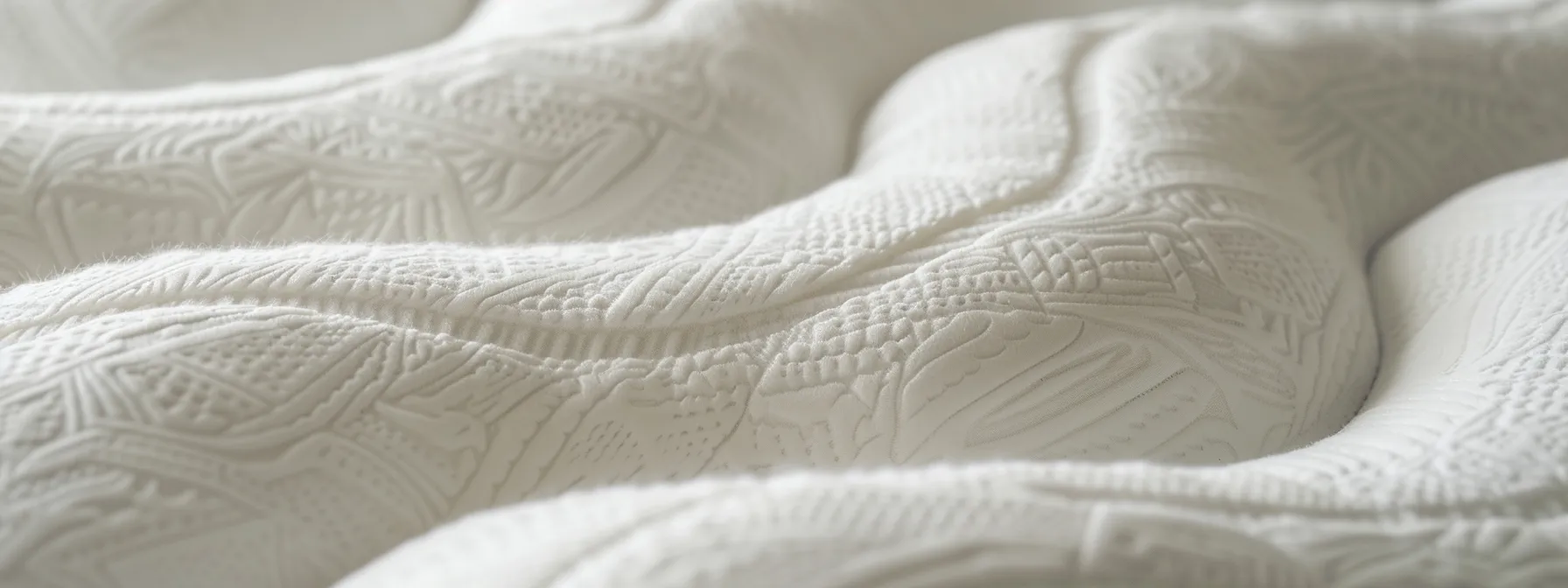
Mattress Types and Back Pain
Studies show that your mattress choice can significantly impact back pain relief. Different mattress types, like memory foam, hybrid, innerspring, and latex, offer varying levels of support and pressure relief, helping alleviate discomfort and promote proper spinal alignment.
Chung, J. W., et al., The effect of different mattress types on sleep quality and spinal alignment in patients with chronic low back pain. Journal of Rehabilitation Medicine, 43(10), 933-938 (2011)
This citation provides evidence for our discussion on how different mattress types can help with back pain.
Each mattress type supports spinal alignment in its own way, and the hybrid model’s combination of coils and foam often excels at reducing lower back discomfort while maintaining breathable comfort.
What Mattress Firmness Supports Proper Spinal Alignment?
Firmness impacts how the spine rests during sleep. A medium-firm to firm mattress generally supports neutral alignment by preventing excessive sinkage under heavier body parts. Side sleepers often benefit from a medium-firm surface to cushion hips and shoulders, while back and stomach sleepers usually require a firmer feel to maintain lumbar support. Matching firmness to your sleep posture ensures the spine remains in its natural curve, reducing undue stress on muscles and joints.
How Do Specialty Mattresses Address Specific Conditions Like Sciatica and Arthritis?
- Sciatica mattresses feature extra lumbar zones that reduce nerve compression in the lower back.
- Arthritis mattresses use pressure-relieving foams that cushion inflamed joints.
- Adjustable-base compatible mattresses allow precise angle adjustments for better pain management.
By choosing a mattress tailored to your medical condition, you can improve nightly comfort and support long-term joint health.
What Mattress Materials Promote a Healthier Sleep Environment?
Mattress materials influence sleep hygiene by affecting allergen exposure, temperature regulation, and off-gassing. Natural and hypoallergenic fabrics reduce respiratory irritation, while advanced cooling technologies prevent overheating. Selecting the right materials thus cultivates a cleaner, more comfortable sleep surface that promotes uninterrupted rest.
How Do Organic and Hypoallergenic Materials Improve Sleep Quality?
Organic cotton, natural latex, and bamboo fabrics resist dust mites, mold, and chemical off-gassing. Natural latex provides antimicrobial protection and durable support without synthetic irritants. Organic covers ensure breathability and moisture-wicking, reducing nighttime overheating. By minimizing allergen exposure, these materials help you breathe easier and sleep more soundly.
What Are the Cooling and Support Features That Enhance Mattress Health Benefits?
- Gel-infused foams and phase-change materials absorb and dissipate excess heat.
- Zoned coil systems deliver targeted support to shoulders, hips, and lower back.
- Ventilated latex layers promote airflow for consistent cooling.
These design elements combine pressure relief with temperature control, fostering restorative sleep that benefits both body and mind.
How Can You Optimize Your Sleep Environment Beyond the Mattress?

A holistic sleep environment extends beyond mattress choice to include bedroom setup, nightly routines, and supportive bedding. By refining lighting, noise levels, and bedtime habits, you reinforce your mattress’s health benefits and cultivate a consistent, restorative sleep pattern.
What Are Essential Sleep Hygiene Practices for Better Rest?
- Dimming lights and avoiding screens 60 minutes before bed.
- Maintaining a cool bedroom temperature between 60–67°F.
- Following a consistent sleep-wake schedule, even on weekends.
Adopting these habits reinforces circadian rhythms and complements the supportive qualities of a well-chosen mattress.
How Do Pillows and Bedding Impact Sleep Health?
Pillows and sheets influence spinal alignment and thermal comfort. A zoned cervical pillow supports neck curvature for back and side sleepers, while breathable bamboo sheets wick moisture to prevent overheating. Layering with a light duvet and mattress protector preserves mattress integrity and allergen resistance. Coordinating pillows and bedding with your mattress design enhances overall sleep quality and comfort.
Where Can You Find Local Sleep Resources and Mattress Stores in Harrison, OH?
Harrison, OH residents can visit the Healthy Zzzs showroom at 123 Wellness Drive to test mattresses and receive personalized guidance. Certified sleep consultants assess your spinal alignment, sleep posture, and health concerns to recommend the ideal mattress model. Local partnerships with chiropractors and physiotherapists ensure expert support for specific conditions like back pain and sciatica.
Why Is Understanding Your Sleep Needs Important for Mattress Selection?
Identifying your unique sleep requirements—based on body type, sleeping position, and health concerns—ensures that your mattress choice aligns with your anatomy and pain management goals. Tailoring mattress features to these factors maximizes nightly comfort and promotes sustained wellness.
How Do Body Type and Sleeping Position Influence Mattress Choice?
Heavier individuals require higher support to prevent excessive sinkage, while lighter sleepers benefit from more contouring surfaces. Side sleepers need cushioning at the shoulders and hips, whereas back sleepers require solid lumbar support to maintain a neutral spine. Integrating body weight and posture into your mattress decision optimizes support and pressure relief for every sleep style.
What Health Concerns Should Guide Your Mattress Selection?
Specific conditions—such as lower back pain, hip discomfort, or spinal stenosis—call for targeted mattress features. A medium-firm hybrid model may relieve lumbar pressure, while an orthopedic latex mattress can reduce joint inflammation. Recognizing your health profile ensures you choose materials and support systems that actively address your pain points.
What Are the Latest Trends and Innovations in Mattresses for Health and Wellness?
The mattress industry continues to evolve with innovations that blend advanced materials, eco-friendly production, and personalized comfort. From hybrid designs that fuse pocketed coils with cooling foams to customizable firmness layers, modern mattresses are engineered to meet diverse health needs.
How Are Hybrid Mattresses Revolutionizing Back Pain Relief?
Hybrid mattresses combine individually wrapped coils with contouring foam layers to deliver responsive support and pressure relief simultaneously. The coil core ensures dynamic spinal alignment, while memory foam or latex layers cushion sensitive areas. This synergy enhances both durability and comfort, making hybrids a top choice for back-pain sufferers.
Why Are Eco-Friendly and Customized Mattresses Gaining Popularity?
Consumers increasingly seek sustainable materials—such as FSC-certified wood frames, organic latex, and biodegradable covers—to reduce environmental impact. Custom-fit options allow adjustable layers or split firmness settings, accommodating couples with different sleep preferences. These trends reflect a shift toward mattresses that support personal health goals and planetary wellness.
What Common Questions Do People Have About Sleep and Mattresses?
Consumers often wonder which mattress type and firmness level best address their specific health and sleep challenges. Providing clear answers to these questions helps in selecting the right sleep surface.
What Type of Mattress Is Best for Lower Back Pain?
Hybrid and medium-firm memory foam mattresses are generally recommended for lower back pain because they balance support and contouring. The coil core maintains spinal alignment, while the foam layers cushion pressure points in the lumbar region, reducing nerve compression and muscle tension.
Is a Firm or Soft Mattress Better for Back Pain?
A medium-firm to firm mattress is typically better for back pain, as it supports natural spinal curvature and prevents excessive sinking of the hips or shoulders. However, individual preferences and sleeping positions can modify this guideline, making personal testing essential for optimal comfort.
How Does Sleep Affect Your Immune System?
Adequate sleep strengthens immunity by enabling the production of protective cytokines and infection-fighting T-cells. During deep sleep stages, the body prioritizes immune cell regeneration, which is crucial for defending against viruses and bacteria, and for reducing inflammation throughout the body.
What Are the Health Benefits of Good Sleep?
Good sleep enhances physical health by lowering inflammation, supporting heart function, and accelerating tissue repair. It boosts mental well-being by improving focus, mood regulation, and stress resilience. Together, these benefits form the foundation of overall wellness and underscore the importance of a mattress that supports restorative rest.
Getting restorative sleep starts with choosing a mattress that aligns with your body, health needs, and environmental preferences. Explore Healthy Zzzs’ full range of certified supportive mattresses to transform your nightly rest into a pillar of lifelong wellness.